ICES-Global Times Roundtable: EU-China Mutual Perceptions’ report and panel discussion
Hosted by ICES and Global Times
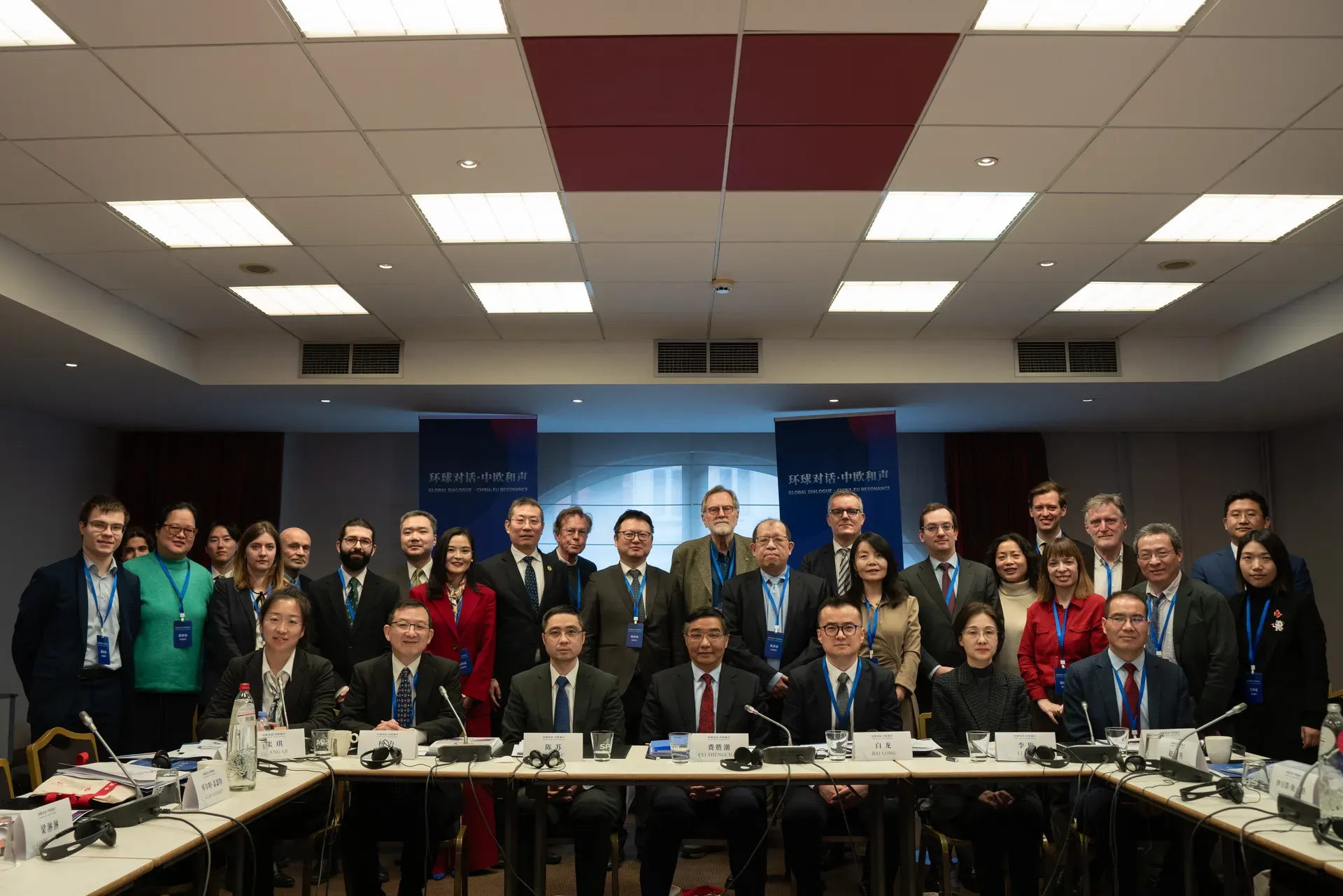
Source: ICES
Date: January 27, 2026
On Tuesday 27 January, ICES and Global Times were pleased to host a closed-door round table
discussion featuring high ranking guests among which: Ambassador of the People’s Republic of
China to Belgium, Minister Counsellor of Mission of the People’s Republic of China to the EU,
Global Times Institute’s representatives, experts of EU-China relations from leading local
think- tanks, former European diplomats, representatives of Chinese institutions and media
organisations based in Europe.
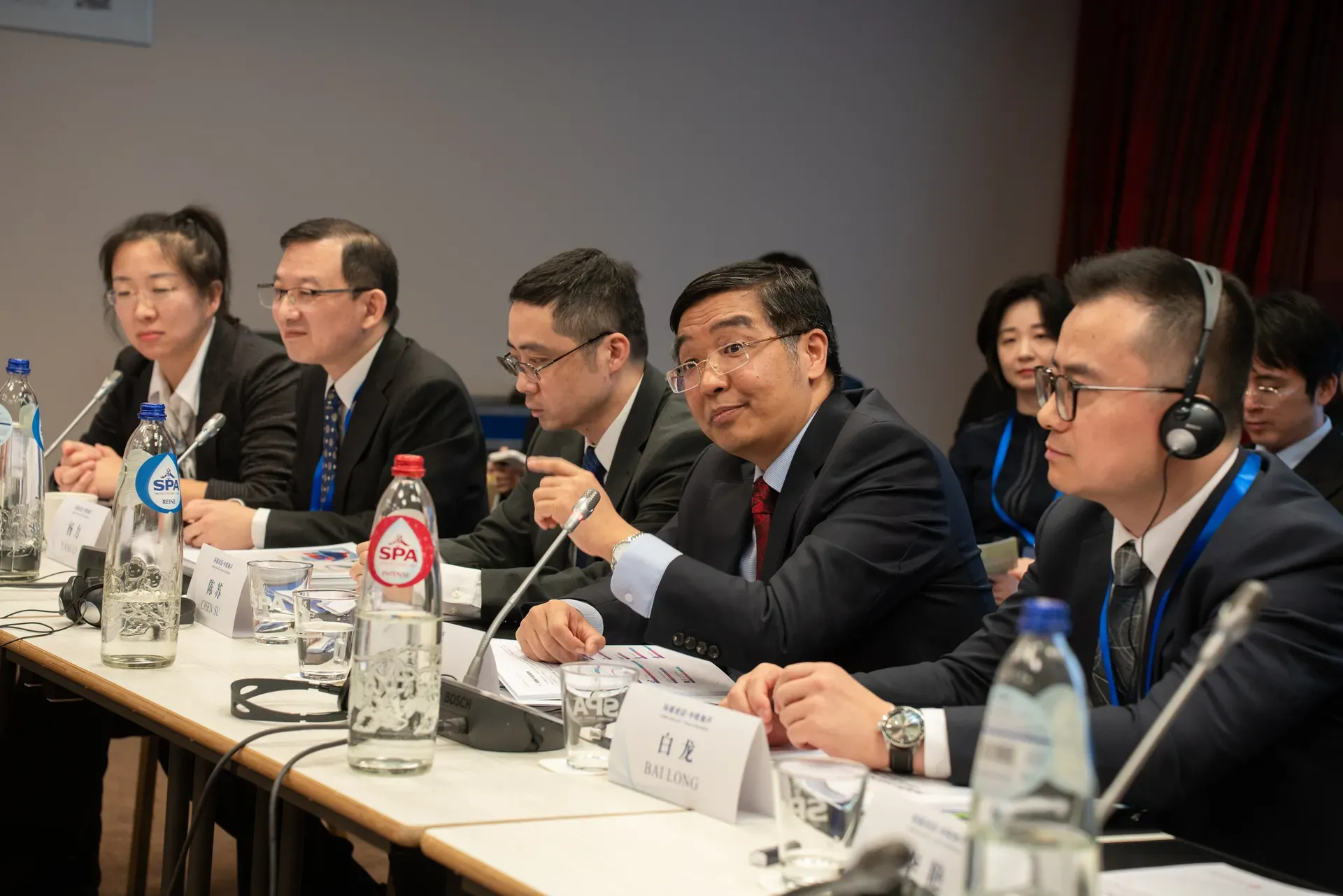
Following a presentation by the Global Times
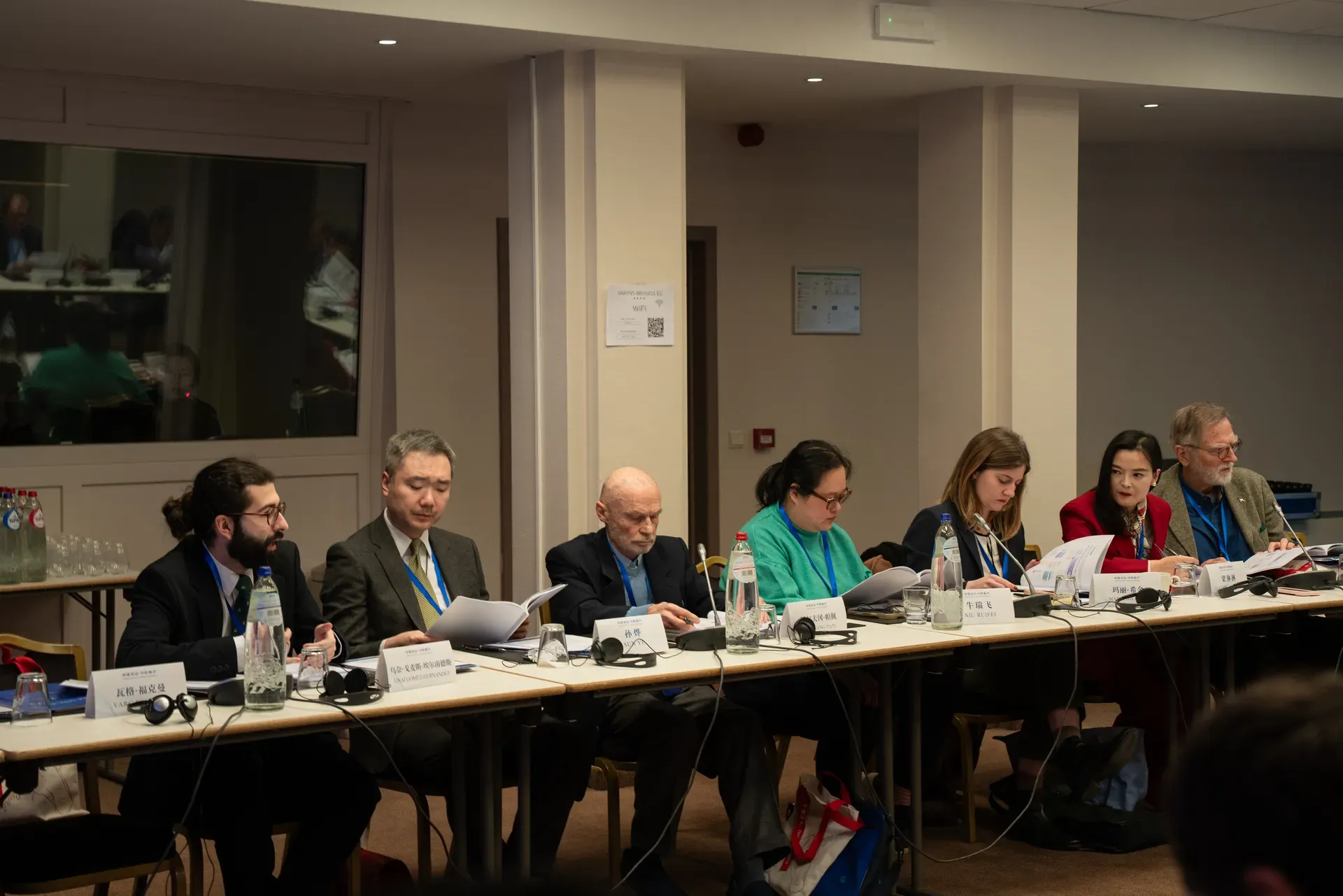
Institute on their China-EU Mutual Perceptions Report, participants discussed the findings and
enquired about the methodology used, as well as its implications. European researchers
welcomed such an initiative to better understand mutual perceptions and exchanged with the
Global Times Institute’s team on the shape future research in that topic could take. The
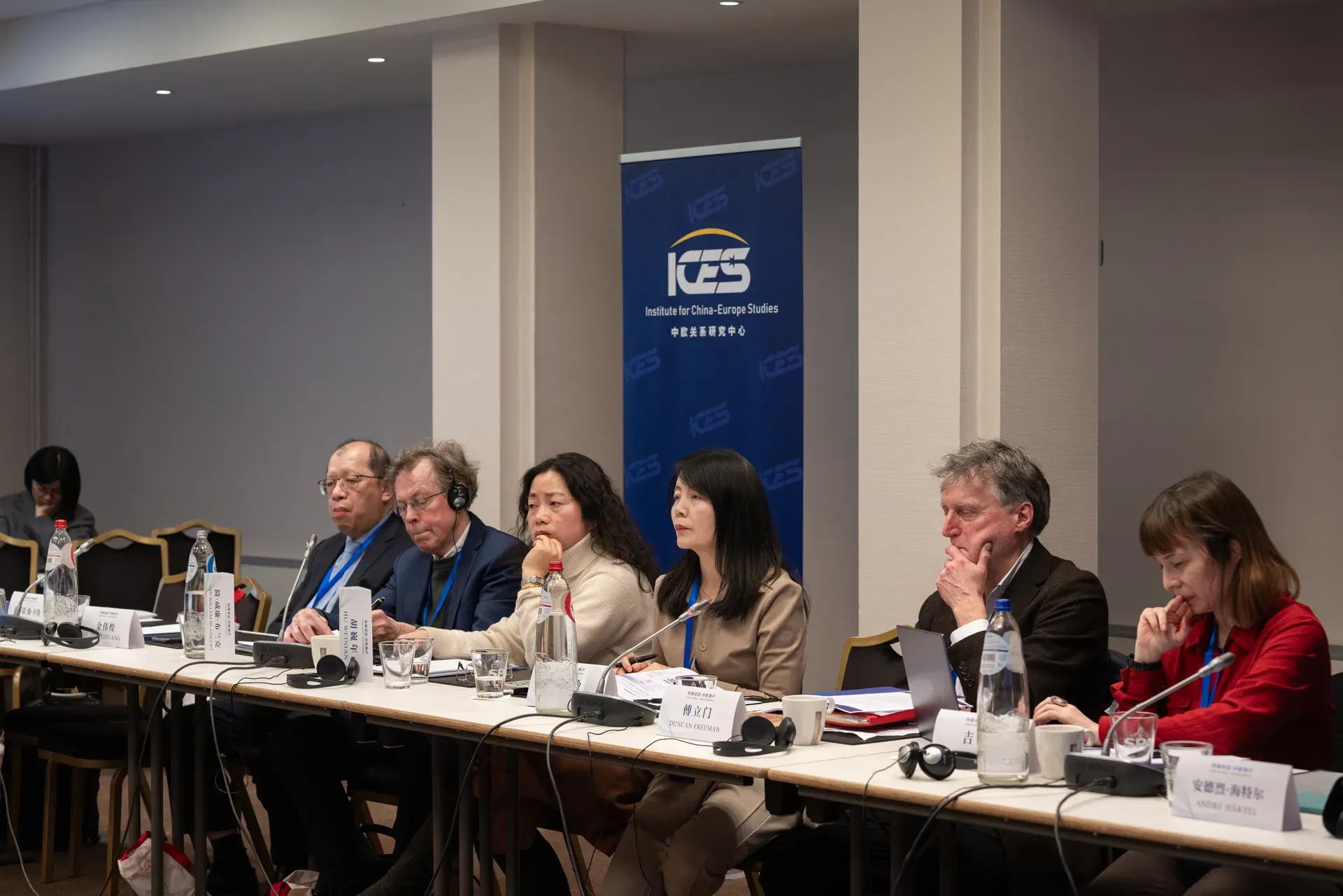
format of the event encouraged a frank and open exchange on the cultural and political
obstacles that were still hampering EU-China relations, and the occasional misalignment
between policy discourse and public perceptions.
Avenues of future cooperation
between the EU and China were explored, as the current destabilisation of the international
world order and the shifting role of the USA in the traditional geopolitical balance created a
strong impetus to reevaluate the relationship between the two entities. Academics, diplomats
as well as business’ representatives made the case that existing Europe-China cooperation was
often more complex and region/sector-specific than usually envisioned, whereas recent
legislative and policy frameworks increasingly frame the relationship in polarised terms. On
certain topics such as infrastructure development, multilateralism, climate change and
commerce, both the EU and China have much to gain to keep on collaborating and deepening their
partnerships, ensuring synergies on parallel and complementary initiatives such as the Belt
and Road Initiative or the Global Gateway.
We extend our sincere thanks to the speakers
for their insightful contributions and the resulting discussion.
Source: ICES
Source: ICES
Source: ICES
Please note that views expressed by the speakers do not reflect the policies or positions of ICES.